
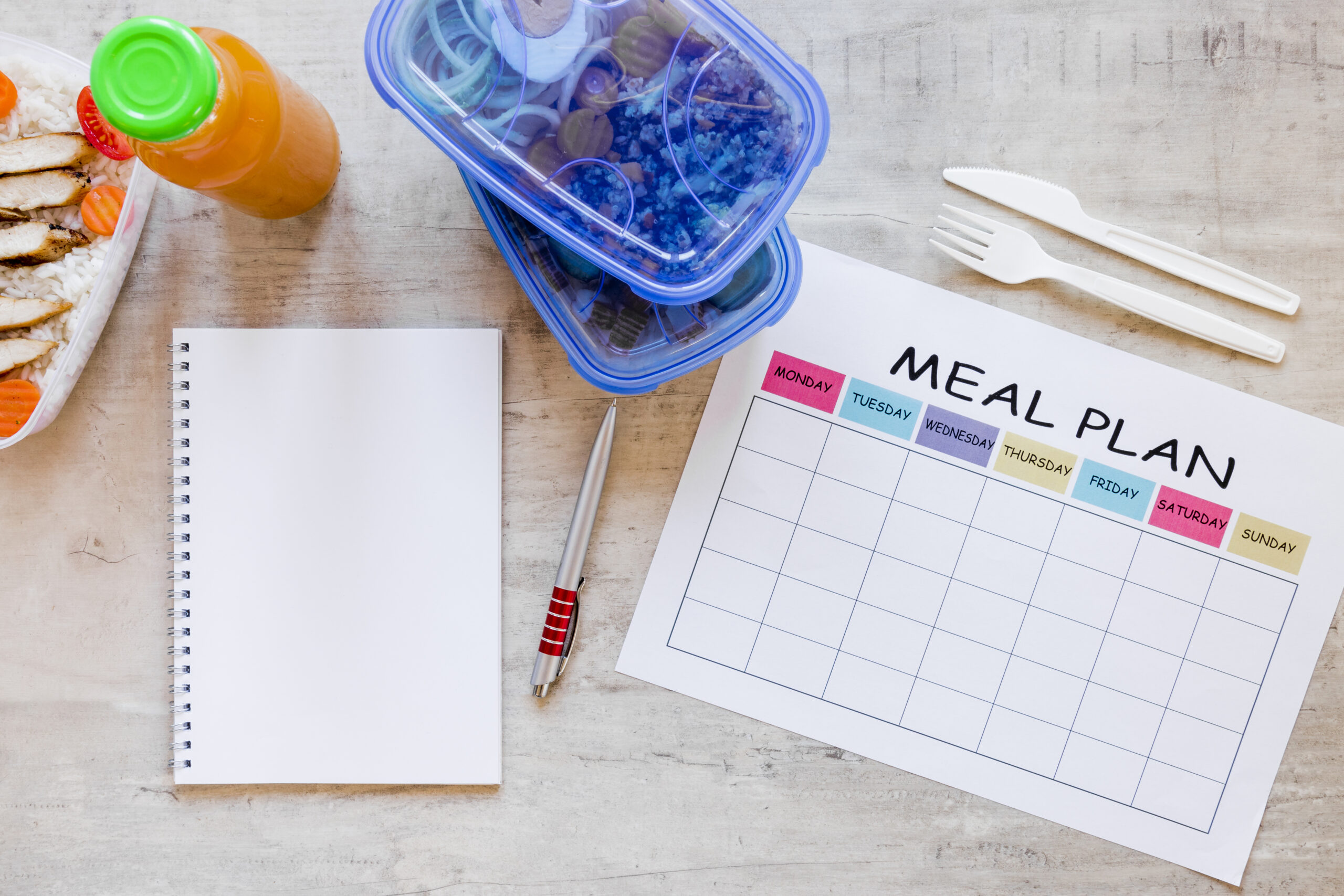

How to prepare a weekly meal plan
It is almost dinner time. You are hungry, everyone wants to know what you are cooking, and the ingredients in your kitchen do not seem to belong to the same meal. There is rice in the cupboard, a few vegetables in the fridge, and something in the freezer that you forgot to defrost.
So you buy food outside again, even though you recently went shopping.
This is the everyday problem a weekly meal plan can help solve. It gives the food you buy a purpose and makes the question “What are we eating?” easier to answer.
You do not need expensive ingredients, complicated recipes, or an entire Sunday spent cooking. You need a realistic picture of your week, a short list of meals you enjoy, and a shopping list that connects the two.
Here is how to build a routine that works in an ordinary kitchen, with an ordinary budget, even when your week becomes busy.
What a weekly meal plan should actually do
A weekly meal plan is a written guide to what you intend to eat over seven days. It can cover breakfast, lunch, dinner, and snacks, although beginners can start by planning just their evening meals.
Its purpose is to reduce daily decisions. Instead of arriving home tired and trying to invent dinner, you already have a suitable option and the ingredients to make it.
Meal planning and meal preparation are related, but they are different activities. Planning means deciding what you will eat. Preparation means doing some of the work ahead, such as chopping vegetables, cooking beans, or portioning a stew.
You can plan successfully without cooking everything in advance.
A useful plan should answer four questions:
- What are we eating?
- How many people are eating?
- When will we cook it?
- Which ingredients do we need?
It should also leave room for changes. A late meeting, an unexpected visitor, or a change in appetite should not make the whole arrangement fall apart.
Think of your menu as a helpful household routine. It gives the week some direction while allowing you to move meals around when necessary.
Start your weekly meal plan with your actual schedule
Before choosing recipes, check your calendar.
This step is easy to skip because looking at meal ideas feels more enjoyable. However, a dish that needs an hour of attention will probably remain uncooked if you schedule it for your busiest evening.
Mark the days when you will arrive home late, eat elsewhere, work from home, or have more time in the kitchen. Include school activities, religious commitments, travel, and regular appointments.
Then match the effort of each meal to the time available.
A quiet evening might suit a stew that needs simmering. A rushed evening might call for an omelette, a quick pasta dish, or a previously frozen meal.
Also count how many meals you genuinely need. If lunch is provided at work twice a week, those are two fewer lunches to buy ingredients for. If you usually visit relatives on Sunday, leave that space open.
For a household with different schedules, write down who will be home. Cooking for two people on Tuesday and five on Wednesday requires different quantities.
A practical starting note might look like this:
- Monday: everyone home; time to cook.
- Tuesday: late arrival; dinner needs to be quick.
- Wednesday: packed lunches required.
- Thursday: one person eating elsewhere.
- Friday: flexible evening.
- Weekend: time for shopping and some preparation.
Once those details are clear, choosing meals becomes much easier.
Check your kitchen before building a weekly meal plan
Your first food shop should happen inside your own kitchen.
Look through the fridge, freezer, and cupboards before writing your menu. You may already have enough ingredients for several meals, especially if you regularly buy staples such as rice, pasta, oats, beans, or canned tomatoes.
Make a short inventory. You do not need to record every spoonful of seasoning. Focus on ingredients that could form a meal and foods that need attention soon.
Divide your notes into three groups:
- Use first: delicate vegetables, opened ingredients, and suitable refrigerated food approaching its storage limit.
- Build around: potatoes, eggs, lentils, frozen fish, or other ingredients that could anchor a meal.
- Check before buying: oil, spices, onions, flour, and frequently used staples.
Suppose you find half a cabbage, a bag of carrots, lentils, and frozen chicken. Those ingredients could support a vegetable stir-fry, lentil stew, and chicken dinner with cooked vegetables.
You have already started your menu without buying anything.
Check quantities as well as availability. A little pasta at the bottom of a packet may be enough for one lunch but insufficient for a family dinner.
Be honest about food condition. Planning to use an ingredient does not make spoiled or improperly stored food safe. If something should be discarded, remove it rather than building a meal around it.
Set a realistic budget for your weekly meal plan
A budget helps you choose between several good meal ideas before you reach the checkout.
Start with the amount you can reasonably spend on food for the week. Consider breakfast, packed lunches, dinners, snacks, drinks, and any meals you expect to purchase outside.
Keep essential non-food purchases separate where possible. Otherwise, detergent and toiletries can make it difficult to understand what your groceries actually cost.
Next, look at the ingredients you already own and decide where new spending will make the biggest difference.
You might need fresh vegetables and eggs while already having enough rice and beans. Another week, replenishing oil and spices may use a larger share of your budget.
To keep the menu affordable:
- Choose some meals built around beans, lentils, or eggs.
- Compare prices for fresh, frozen, and canned ingredients.
- Use seasonal produce when it offers better value.
- Check unit prices where they are available.
- Avoid buying a large package unless you can use or store it.
- Include cooking fuel, transport, and storage limitations in your decisions.
A large bag of vegetables is not a bargain if half of it goes unused. Similarly, a recipe with a cheap main ingredient may become costly when it requires several sauces you rarely use.
Leave a little room for price changes or a missing staple. A plan that uses every available coin before you enter the market can become difficult to follow.
Build balance into your weekly meal plan
A meal can be convenient and satisfying while still offering variety.
When choosing main meals, think about including a source of protein, a starchy food, and vegetables. Across the day, make room for fruit and dairy foods or appropriate alternatives.
That could mean beans with rice and vegetables, fish with potatoes and greens, or an egg sandwich followed by fruit. Familiar local meals can fit naturally into the same approach.
The NHS Eatwell Guide explains that dietary balance can be considered across a day or week; every individual meal does not have to achieve it perfectly: The EatWell Guide.
Use that flexibility when reviewing your menu. If breakfast is simple, lunch and dinner can provide more variety. If several dinners rely heavily on one ingredient, consider changing one of them.
You do not need to replace all your usual foods. Start by making useful additions: vegetables alongside a favourite rice dish, fruit with breakfast, or beans in a sauce.
Adjust meals to suit allergies, religious practices, and dietary preferences. Where someone follows a prescribed diet, use their individual guidance when choosing ingredients and portions.
The sample menu below is an example of organisation, rather than a personalised nutrition prescription.
Choose familiar meals for your weekly meal plan
A common beginner mistake is planning seven exciting recipes that you have never cooked before.
Each new dish brings extra decisions: unfamiliar ingredients, uncertain cooking times, and the possibility that someone will dislike the result. Multiply that by a full week, and meal planning starts to feel like another demanding job.
Begin with meals you already know how to make.
Write down around ten household favourites. These might include vegetable pasta, beans and plantain, chicken stew, baked potatoes, soup, stir-fry, or an egg dish.
Then select a manageable combination for the coming week. For example:
- Three familiar cooked dinners.
- One quick meal.
- One meal designed to provide an extra portion.
- One freezer or cupboard meal.
- One flexible evening.
Add a new recipe when you have the time and interest to try it.
Breakfast and lunch can be more repetitive. If you enjoy oats three mornings a week, there is no reason to invent three different breakfasts simply to fill a planner.
Ask other household members for a few suggestions before finalising the menu. Offering a choice between two realistic options is often more helpful than asking an open-ended question when nobody knows what they want.
A menu people actually look forward to has a better chance of being used.
Reuse ingredients across your weekly meal plan
Variety does not require a completely different shopping basket for every dinner.
Choose ingredients that work in several dishes. Tomatoes and onions might support a stew, an egg dish, and a pasta sauce. Cabbage and carrots could become cooked vegetables one evening and a fresh side dish another day.
This approach gives ingredients several possible uses without making every meal taste the same.
For example, chicken might appear with potatoes and vegetables at dinner. An extra portion, stored safely, could become the following day’s sandwich filling.
Beans might be served with rice, added to a vegetable soup, or mashed into a wrap. Different seasonings and accompaniments help change the experience.
Before buying an ingredient for one recipe, ask yourself what will happen to the remainder. If the answer is unclear, consider a substitute you already use.
Also place delicate produce earlier in the week, according to its condition and storage instructions. Longer-lasting vegetables, frozen produce, and cupboard ingredients can provide options later.
You are aiming for a menu in which ingredients support one another. That makes shopping simpler and gives you more ways to adapt if your schedule changes.
Use this sample weekly meal plan as a starting point
The following example shows how breakfasts can repeat, dinners can share ingredients, and a planned extra portion can support lunch.
Adjust the foods and quantities to suit your household. The menu does not assume that every meal is cooked on the same day.
| Day | Breakfast | Lunch | Dinner | Practical preparation note |
|---|---|---|---|---|
| Monday | Oats with banana and milk or a suitable alternative | Bean and vegetable wrap | Chicken, potatoes, and cooked vegetables | Prepare an extra chicken portion for Tuesday’s lunch |
| Tuesday | Eggs with wholegrain toast | Chicken sandwich with vegetables | Lentil and tomato stew with rice | Cook enough stew for Wednesday’s lunch |
| Wednesday | Plain yoghurt or a suitable alternative with fruit and oats | Lentil stew from Tuesday | Vegetable omelette with bread | Use suitable remaining fresh vegetables |
| Thursday | Oats with fruit | Bean salad with bread | Pasta with tomato sauce and vegetables | Make a fresh sauce or use a safely frozen portion |
| Friday | Eggs with toast | Hummus and vegetable wrap | Fish, potatoes, and greens | Use fresh fish or safely thaw frozen fish |
| Saturday | Porridge with fruit | Baked potato with beans | Chicken or chickpea stir-fry | Buy fresh ingredients or thaw frozen portions safely |
| Sunday | Toast, eggs, and fruit | Vegetable soup with bread | Flexible family meal | Review the coming week before shopping |
Notice that oats, eggs, beans, tomatoes, potatoes, and vegetables appear more than once. Repetition makes the shopping list more manageable.
The cooking workload also varies. Wednesday’s omelette is simpler than Monday’s dinner, while Sunday leaves room for household plans.
If three meals a day feels overwhelming, copy only the dinner column for your first week. Once that becomes comfortable, add lunches and breakfasts.
Turn your weekly meal plan into a shopping list
After choosing the meals, work backwards through their ingredients.
For every dish, check what you need, how much you need, and what is already available. Include small ingredients such as cooking oil, garlic, and seasoning. They are easy to overlook until cooking begins.
Write quantities rather than vague categories.
“Vegetables” does not tell you whether you need onions for a sauce, greens for dinner, or carrots for lunchboxes. Specific entries make shopping quicker and reduce unnecessary purchases.
Group the list in a way that suits where you shop:
- Fruit and vegetables.
- Meat, fish, eggs, and other protein foods.
- Grains, bread, and starchy foods.
- Dairy foods or suitable alternatives.
- Frozen ingredients.
- Cupboard staples and seasonings.
Combine repeated ingredients. If three dishes use onions, estimate the total rather than listing onions three times.
For packaged foods, compare the recipe quantity with the amount in the packet. If you need half a container, decide whether the remainder has another use.
Check the list one final time against your kitchen inventory. Then take it with you, whether it is on paper or on your phone.
You can still make sensible substitutions at the shop. If one vegetable is unusually expensive, choose another that works in the dish rather than abandoning the entire menu.
Plan portions and leftovers in your weekly meal plan
Portion planning prevents two common frustrations: cooking too little for dinner and discovering that your intended lunch has already been eaten.
Begin with the number of people you are feeding. Consider their usual appetites and whether you want an extra serving.
If two adults need dinner and one person needs lunch the next day, plan for three adult servings. Pack the lunch portion before serving dinner if it needs to be reserved.
Use previous meals as your guide. Recipe serving counts can be helpful, but they will not always match your household.
You might discover that a dish described as four servings comfortably feeds three people in your home. Make a note so you can adjust future shopping.
Give leftovers a destination when you write the menu. “Tuesday lunch” or “freeze one portion” is more useful than “use later.”
Keep extra sauces, dressings, and crisp ingredients separate where practical. This can improve the texture of a packed meal.
If leftovers regularly go uneaten, make smaller batches. If you repeatedly need extra bread or another snack immediately after dinner, reconsider whether the meal quantity and combination are satisfying enough.
The purpose is to learn your household’s needs, rather than force everyone to fit a fixed portion.
Prepare your weekly meal plan without cooking all day
Advance preparation should remove difficult tasks from busy days.
Choose the jobs that will make the biggest difference. You might wash suitable produce, measure ingredients, prepare a sauce, or cook a pot of beans to portion and freeze.
There is no requirement to prepare every component.
For some households, an hour at the weekend works well. Others prefer two shorter sessions, with one before the week begins and another midway through it.
Start with a modest routine:
- Put groceries away promptly and organise them by intended use.
- Identify the next two or three meals.
- Prepare one time-consuming ingredient.
- Portion and label anything going into cold storage.
- Place the menu somewhere visible.
Choose equipment you already have. A saucepan, chopping board, suitable containers, and a notebook can support an effective system.
Do not buy specialised appliances simply because meal-preparation videos feature them. First identify a repeated problem, then decide whether equipment would help solve it.
Also account for washing up. Preparing several dishes at once can leave a crowded kitchen that makes the next meal harder.
A smaller preparation session that leaves you organised is often more useful than an ambitious cooking day that leaves you exhausted.
Store food safely throughout your weekly meal plan
A seven-day menu does not mean cooked food should spend seven days in the fridge.
FoodSafety.gov lists a refrigerator storage period of three to four days for many cooked leftovers, including cooked meat, poultry, soups, and stews. Keep the refrigerator at 4°C or below and freeze suitable portions intended for later use: Cold food storage chart.
Label containers with the food name and preparation date. This makes it easier to decide what to use next and prevents frozen meals from becoming unidentified packages.
Refrigerate perishable cooked food promptly, within two hours, using shallow containers to help it cool quickly. Reheat leftovers to an internal temperature of 74°C, checked with a food thermometer.
Avoid placing an entire week’s cooked meals in the fridge and assuming they will all remain suitable until Sunday.
Instead, combine freshly cooked meals, appropriately refrigerated leftovers, and safely frozen portions.
If reliable refrigeration is unavailable, plan smaller quantities that you can prepare and eat promptly. Bulk cooking depends on being able to store the results safely.
For lunches taken outside the home, include cold storage in your arrangements where needed. Planning a packed meal also means planning how it will be kept until lunchtime.
Storage is part of the menu, just as much as ingredients and cooking time.
click here to learn how to make coffee with machine
Keep your weekly meal plan flexible on busy days
Even a realistic plan needs a backup.
Choose two simple meals made from ingredients you commonly keep at home. They should require little thought and suit your household’s preferences.
Possibilities include:
- Eggs, toast, and vegetables.
- Pasta with beans and tomato sauce.
- A frozen portion of homemade soup with bread.
- A quick chickpea and vegetable dish.
These options are especially useful when a meeting runs late or you return home too tired for the scheduled meal.
You can also assign meals to the week without fixing every dinner to a particular day. Choose from the list according to time, while paying attention to which ingredients need using first.
If plans change, check storage limits before moving a meal. Freeze suitable ingredients promptly where appropriate.
Build in meals outside the home when you expect them. A realistic budget and menu can include a takeaway or family visit.
Flexibility makes the routine easier to maintain because an unexpected evening becomes a small adjustment instead of a reason to abandon the week.
Adapt your weekly meal plan to your household
A person living alone and a family with children may use the same planning method differently.
If you cook for one, consider making two servings: one for dinner and one for another suitable occasion. Freeze extra bread or suitable ingredients when larger packages would otherwise go unused.
For couples, identify meals you both enjoy and vary accompaniments where preferences differ.
For families, a shared base can reduce separate cooking. Rice, vegetables, and a choice of beans, eggs, or another protein may allow people to assemble a meal they enjoy.
Keep children’s preferences in mind while offering familiar foods alongside other options. Avoid making every dinner depend on everyone accepting an unfamiliar dish.
Where allergies are involved, check ingredient labels and account for cross-contact during preparation and storage.
Students and busy workers should consider equipment, transport, and reheating access. A packed meal that requires a microwave is inconvenient if none is available.
Your household’s circumstances should shape the menu. A plan is useful when it fits the people who will eat from it.
Review your weekly meal plan before starting again
At the end of the week, spend a few minutes looking at what happened.
Which meals were enjoyable? Which took longer than expected? What remained unused? Did you have enough food for lunches?
Use those answers to improve the next menu.
If vegetables were regularly left over, buy less or schedule another dish that uses them. If a particular dinner was easy and popular, save it as a regular option.
Keep a short collection of successful meals. Over time, a rotation of ten to fifteen dependable dishes can remove much of the effort from planning.
Record helpful details beside each one: approximate cooking time, the quantity your household needs, and whether extra portions freeze well.
You do not need a completely new menu every week. Repeating useful meals while changing a few ingredients or seasonings is often enough.
The first week gives you information. Each later week becomes an opportunity to make the routine more practical.
Make your first weekly meal plan simple enough to use
Learning how to prepare a weekly meal plan begins with a few ordinary decisions: check your calendar, look through your kitchen, choose familiar meals, and write a specific shopping list.
From there, prepare only what helps, give leftovers a clear destination, and leave room for changes.
For your first attempt, choose five dinners, one backup meal, and one flexible evening. Match them to the ingredients you already have before buying anything new.
You can add more detail later. The immediate goal is to make tomorrow’s dinner easier to manage and give the food you bring home a better chance of being enjoyed.